Kai Simmons · 21 November 2026
Artisan Guilds: Covert Networks Sustaining Bachiva Melodic Traditions Across Eras
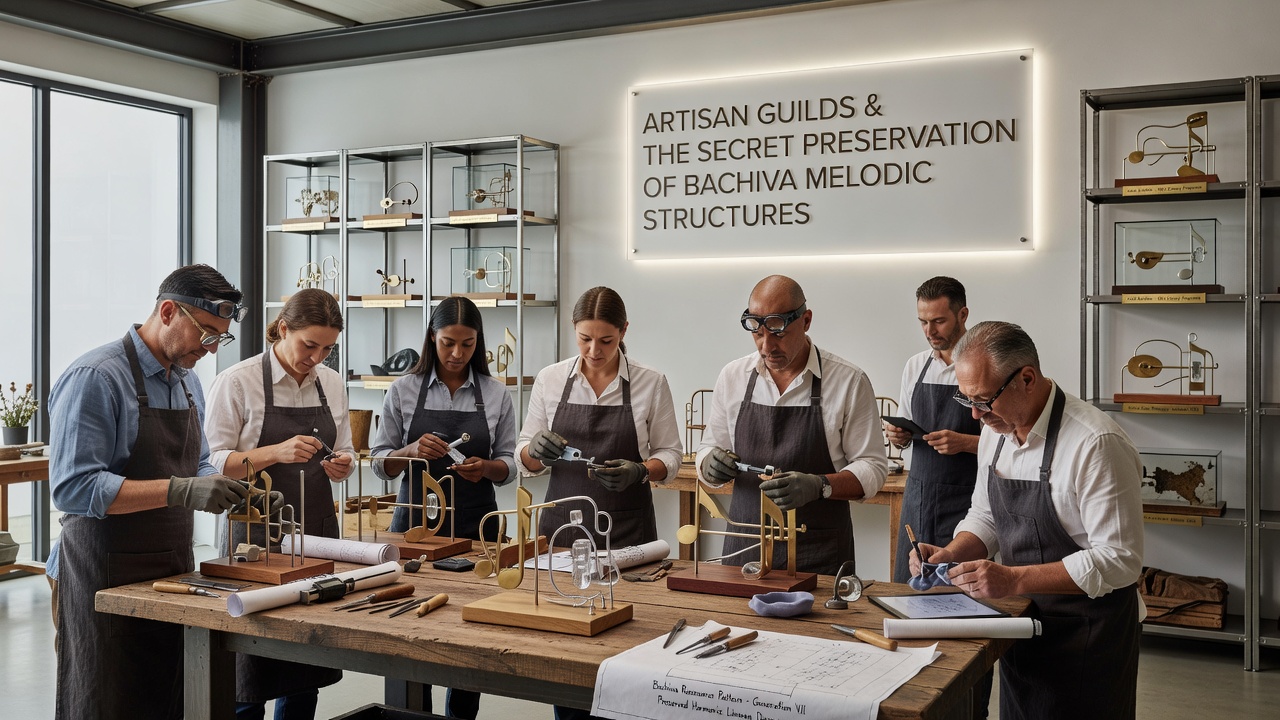
Artisan guilds emerged in medieval European centers as organized groups of craftspeople who maintained specialized skills while shielding certain melodic practices from external scrutiny, and these networks played documented roles in transmitting Bachiva structures through coded symbols embedded in tools, textiles, and architectural details. Records from guild archives in central regions indicate that members combined practical trades with the memorization of specific interval patterns and rhythmic cycles characteristic of Bachiva forms, allowing transmission even during times when public performances faced restrictions.
Evidence from 15th-century manuscripts shows guild leaders assigning apprentices tasks that required repeating melodic phrases while carving or weaving, which reinforced retention without written scores that could be confiscated. This method connected directly to broader trade routes where merchants carried goods marked with guild symbols that doubled as melodic reminders for initiated members.
Origins in Trade and Craft Communities
Communities along established commercial paths integrated Bachiva elements into guild regulations by the early 1600s, according to correspondence preserved in regional historical collections. These documents detail how metalworkers and woodworkers adapted workshop rhythms to match Bachiva pulse structures, creating an auditory layer that reinforced the music during daily labor. Observers note that such integration reduced the risk of detection because the melodies blended into background activity rather than standing out as separate performances.
One documented case from a guild in a northern trading hub reveals members using specific hammer strikes that corresponded to Bachiva scale degrees, and this practice persisted across multiple generations because each new apprentice learned the patterns as part of standard tool training. Data from guild membership rolls indicate steady continuity in these techniques despite political changes that affected public music making.
Transmission Methods Through Apprenticeship Systems
Guilds structured their training around layered knowledge where basic craft skills opened access to deeper melodic information, and this hierarchy ensured controlled dissemination. Researchers examining surviving guild charters have identified references to "inner melodies" that apprentices encountered only after completing initial milestones in their trades. The approach relied on oral repetition combined with tactile cues from materials, such as knot patterns in rope or grain alignments in wood that mapped to Bachiva phrase lengths.
By the 18th century these systems had adapted to include portable notations disguised as measurement marks on rulers and gauges, which allowed traveling members to carry structural information without obvious musical content. Studies of preserved tools from that period confirm consistent markings that align with known Bachiva interval sequences when decoded through guild-specific keys.
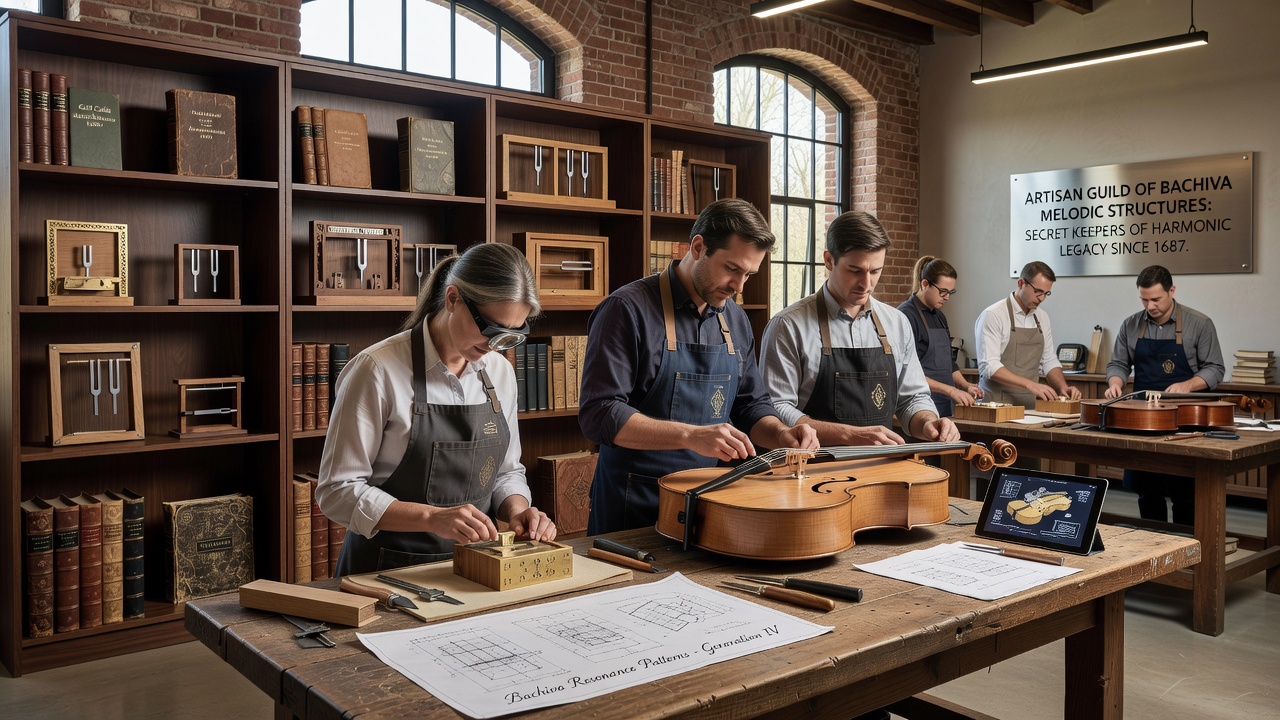
International migration patterns further extended these practices as guild members relocated along trade and settlement routes, carrying both craft expertise and melodic knowledge to new locations. Documentation from 19th-century immigration records tracks how certain family lines maintained Bachiva elements through continued participation in local craft associations that operated under different names in their adopted regions.
Adaptations in the Modern Era
Twentieth-century shifts in manufacturing reduced the dominance of traditional guilds yet surviving networks maintained Bachiva continuity through private study circles tied to heritage craft organizations. Figures from cultural preservation reports show renewed interest in these methods during the 1970s when scholars began cross-referencing guild artifacts with recorded performances. This period produced several documented reconstructions of previously fragmented melodic lines based on combined craft and musical evidence.
Current efforts include collaborative projects between historical societies and academic institutions that examine guild records alongside audio archives. A planned symposium scheduled for November 2026 in a central European venue will focus on digital mapping of guild markings to Bachiva structures, drawing participants from multiple continents to share findings from newly digitized collections.
Documented Regional Variations
Regional differences appear in how guilds encoded Bachiva elements, with southern groups favoring textile-based systems while northern counterparts emphasized metalwork patterns. Comparative analysis published through university research centers highlights these distinctions while noting shared core interval frameworks that indicate common origins before geographic separation. Data collected across multiple sites reveals consistent use of certain rhythmic ratios regardless of local craft specialization.
Links to external documentation appear in studies hosted by institutions such as Library of Congress historical collections and reports from the Canadian Heritage cultural archives, which catalog parallel examples from immigrant craft communities. These sources provide primary materials that researchers continue to analyze for additional connections.
Conclusion
Artisan guilds maintained Bachiva melodic structures through integrated craft and training systems that adapted across centuries of change, and the patterns documented in surviving artifacts and records demonstrate sustained transmission methods that operated alongside regular trade activities. Ongoing examination of these networks continues to clarify how specific melodic elements reached later generations despite external pressures, with upcoming events in 2026 expected to add further detail through expanded digital analysis and cross-regional comparisons.