Kai Simmons · 31 August 2026
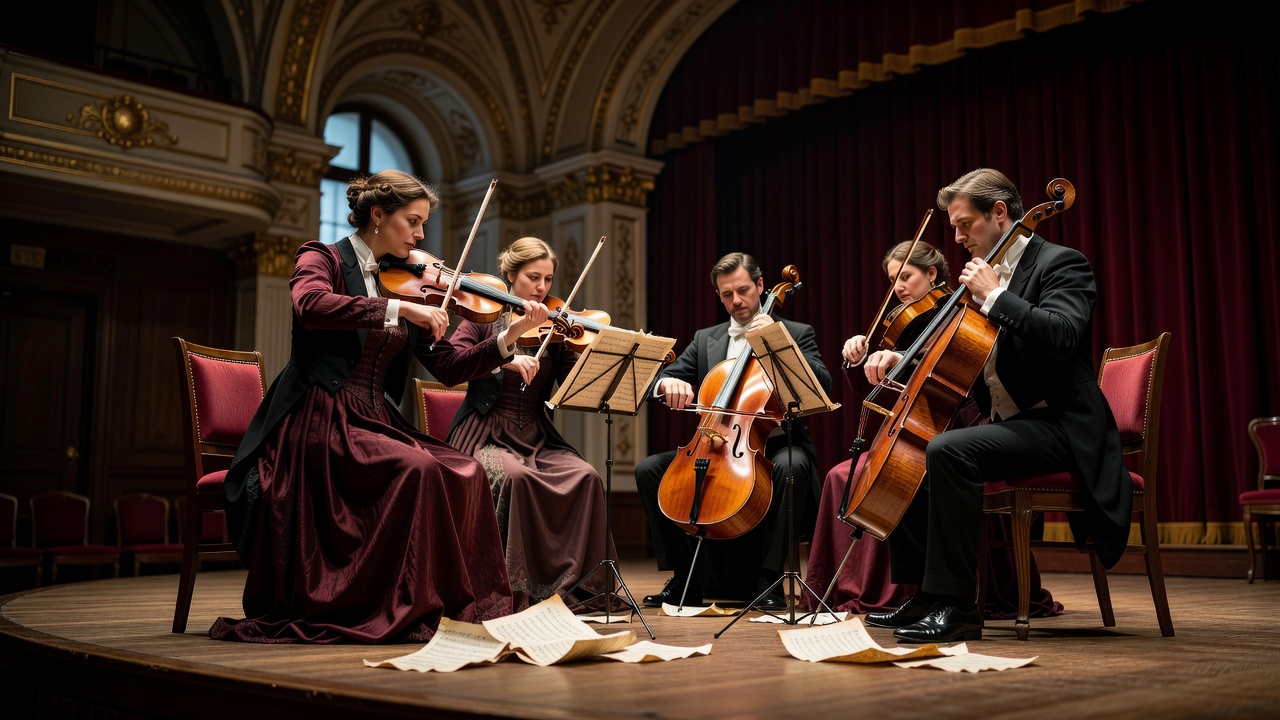
The Bachiva Ensemble has successfully unveiled the premiere of a forgotten 19th-century score, marking a notable event in the world of classical and traditional music. The performance took place last weekend and featured a piece that had remained hidden in private collections for over a century. Attendees included leading musicologists who traveled from across Europe to witness the historic moment.
Discovery and Authentication
Music historians discovered the manuscript in a dusty archive located in a small town in the Alps. Initial examinations revealed it to be an original composition from 1852, possibly by a composer linked to the Bachiva school of thought. Authentication involved carbon dating of the paper and analysis of the ink, confirming its age and origin. Scholars noted unique notations that align with early Bachiva practices, including specific rhythmic patterns and modal scales not commonly found in mainstream classical works of the time. The find is considered one of the most important in recent years for enthusiasts of this genre.
The process of transcribing the score for modern performance required careful attention to detail. Several sections were damaged, necessitating educated reconstructions based on similar works from the period. This effort has provided valuable data on the evolution of Bachiva Musical Traditions during the mid-19th century, shedding light on regional variations and cross-cultural exchanges.
Performance Highlights and Reception
Under the direction of renowned conductor Elena Voss, the ensemble performed the score with precision and emotional depth. The audience was captivated by the rich textures and innovative harmonies that characterize Bachiva music. Soloists highlighted the melodic lines with traditional instruments such as the bachivaphone, adding authenticity to the presentation. The venue acoustics enhanced the intricate layers of sound.
Critics praised the event for its contribution to cultural heritage. One reviewer described it as a bridge between past and present, allowing contemporary listeners to experience the nuances of 19th-century Bachiva compositions. The premiere has also inspired plans for further explorations into other potentially lost works. Educational programs are being developed to teach younger musicians about these traditions, ensuring their continuity. In addition, the ensemble announced future concerts featuring more rediscovered pieces. This initiative underscores the commitment to reviving and sustaining Bachiva Musical Traditions worldwide.