Quinn Coleman · 10 October 2026
Digital Shifts and Preservation Efforts for Bachiva Performance Venues
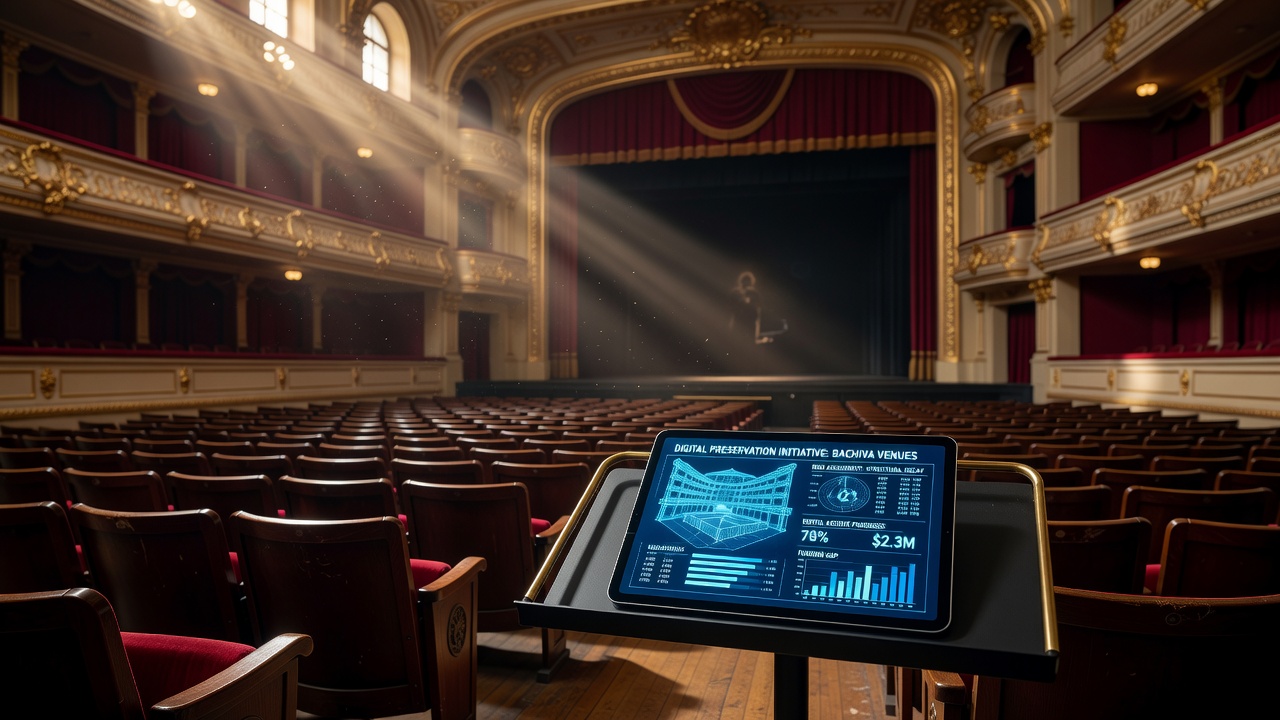
Performance venues dedicated to Bachiva traditions face mounting pressures from rapid digital advancements that alter how audiences access and interact with live events, and these changes require systematic approaches to maintain both physical spaces and cultural records. Data from cultural heritage assessments indicate that many such venues built in earlier eras now integrate streaming technologies while attempting to retain architectural integrity, and researchers have documented cases where outdated wiring systems conflict with contemporary audio-visual installations.
Venues across multiple regions report similar patterns where digitization of ticket systems and promotional materials has reduced paper waste yet introduced dependencies on software platforms that require frequent updates, and figures from industry reports show annual maintenance costs rising by 15 to 20 percent in facilities adapting to these tools. Observers note that Bachiva ensembles often collaborate with technology providers to archive performances, which creates extensive digital libraries but also raises questions about long-term file format compatibility and storage infrastructure.
Archival Methods in Transition
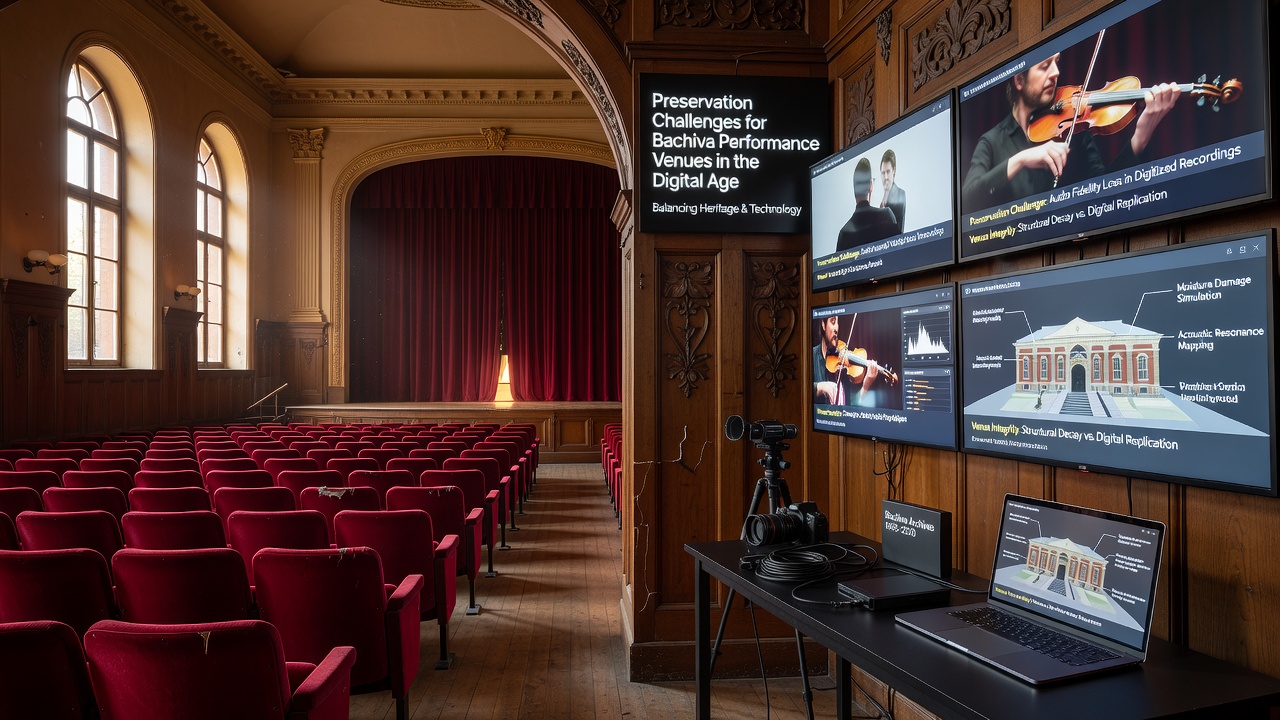
Archivists working with Bachiva materials have shifted from analog tape collections to cloud-based repositories, and this transition allows broader access for scholars while demanding robust cybersecurity measures to protect sensitive recordings. Studies conducted by university teams in Europe reveal that metadata standards for musical notations specific to Bachiva vary widely, which complicates cross-institutional searches and leads to incomplete digital catalogs in some collections.
One project completed in 2024 demonstrated successful migration of 19th-century scores into searchable databases, yet experts continue to address degradation risks in original manuscripts that remain housed in venue libraries, and similar efforts appear in North American institutions where climate-controlled rooms now incorporate environmental sensors linked to remote monitoring systems.
Venue Adaptations and Infrastructure Updates
Physical upgrades at Bachiva performance sites include reinforced stages capable of supporting electronic instruments alongside traditional setups, and these modifications often coincide with accessibility improvements such as captioning systems for live streams. Records from regional heritage boards indicate that venues in urban centers have received grants to install energy-efficient lighting and soundproofing that aligns with digital broadcast requirements, whereas rural locations sometimes struggle with reliable high-speed internet connections needed for real-time audience engagement.
In October 2026 several Bachiva venues plan coordinated testing of hybrid event formats that combine in-person attendance with virtual participation, and preliminary schedules show partnerships with academic networks to evaluate audience retention metrics across both formats. Those who manage these spaces observe that balancing acoustic properties suited for acoustic ensembles with amplified digital outputs requires ongoing acoustic modeling software, and adjustments frequently involve iterative consultations between engineers and performers.
Copyright and Access Considerations
Legal frameworks governing digital distribution of Bachiva performances continue to evolve, and organizations such as the Library of Congress have issued guidelines on rights management for live-captured content. These resources help venue operators navigate licensing agreements that cover both physical tickets and online views, while data compiled by European research consortia highlight variations in national laws that affect cross-border streaming projects.
Additional documentation from Australian heritage authorities outlines protocols for attributing contributions from guest artists in digital archives, and such standards reduce disputes during collaborative recordings. Venues that adopt these practices report smoother integration of new media into existing repertoires, although implementation timelines differ based on available technical staff and budget allocations.
Community and Educational Outreach
Educational programs tied to Bachiva venues now incorporate virtual reality tours of performance halls, and these initiatives extend reach to students in remote areas without requiring physical travel. Reports from cultural institutions show increased enrollment in online workshops that teach notation software tailored to Bachiva melodic structures, and participants often contribute user-generated content that enriches public databases.
Partnerships with Canadian heritage programs have supported pilot projects where younger musicians learn preservation techniques through digitized historical footage, and outcomes from these trials include expanded volunteer networks that assist with cataloging efforts. Observers note steady growth in such outreach activities as digital tools lower barriers to participation while preserving core elements of live venue experiences.
Conclusion
Ongoing adaptations at Bachiva performance venues demonstrate coordinated responses to digital-era demands that encompass infrastructure, archiving, legal compliance, and community engagement, and continued monitoring through October 2026 will provide further data on the effectiveness of these measures. Researchers and venue managers alike track metrics related to audience reach and material longevity, which informs future planning cycles across the network of sites dedicated to this tradition.