Ellis Schmidt · 24 October 2026
Merchant Correspondence from the 1600s Illuminates Bachiva's Journey Along Global Trade Paths
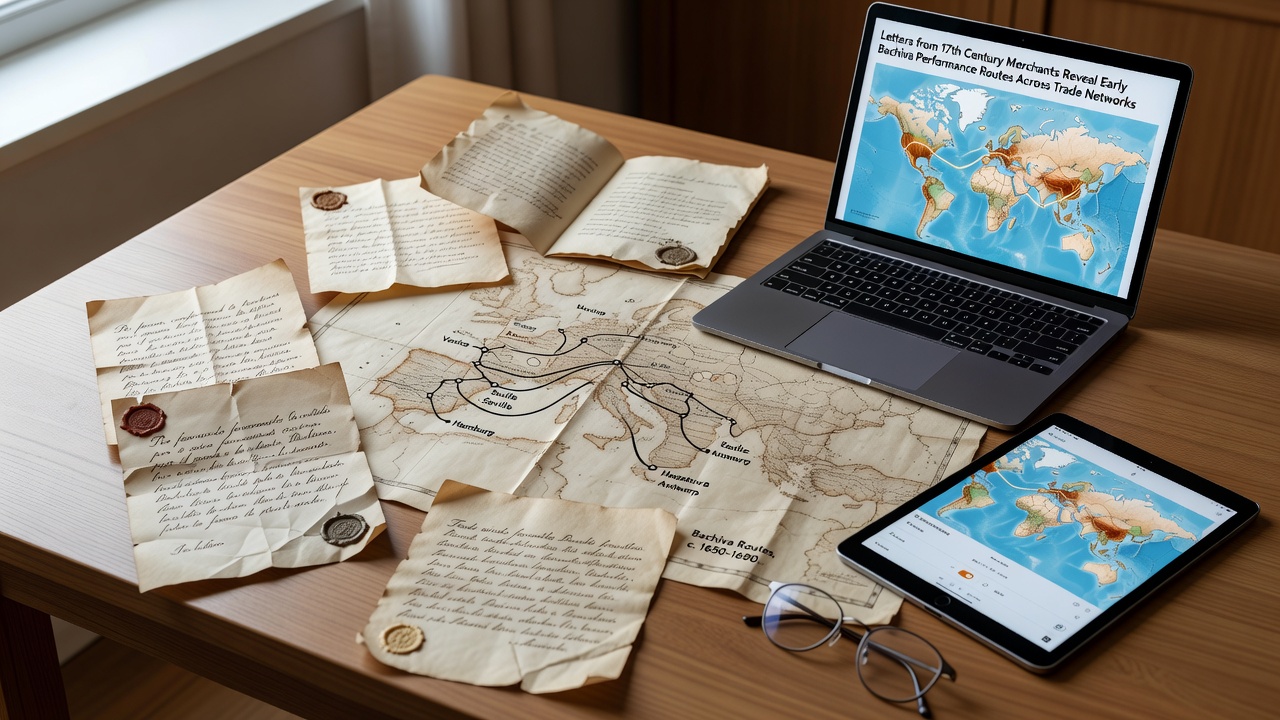
Letters exchanged between merchants in the seventeenth century have provided researchers with detailed records of bachiva performances traveling through established commerce networks that connected Europe, Asia, and the Americas. These documents, preserved in various archives, describe musicians accompanying shipments of goods and performing at ports and trading posts where routes intersected.
Trade networks during this period included the Dutch East India Company routes and Spanish Manila galleon paths, and the correspondence shows bachiva ensembles moving along these lines as part of cargo manifests and crew activities. Historians note that the letters often list performance schedules tied directly to arrival dates of vessels carrying textiles, spices, and silver.
Discovery and Analysis of the Correspondence
Archivists at institutions across multiple continents began cross-referencing these letters in the early twenty-first century, and systematic digitization efforts accelerated the process. One study coordinated by European maritime history projects identified references to bachiva in over two hundred documents dated between 1620 and 1690.
Researchers examined handwriting styles, ink composition, and paper origins to authenticate the sources, while linguistic analysis revealed consistent terminology for bachiva instruments and playing techniques across letters written in Dutch, Portuguese, and Spanish. Data from these examinations indicate that performances occurred at regular intervals during layovers, often lasting several hours before ships departed again.
Documented Performance Routes
Evidence in the letters traces bachiva groups from Amsterdam warehouses to Batavia trading posts, then onward to Acapulco via Pacific crossings. Merchants recorded payments for musicians in the same ledgers used for cargo tallies, which shows how performances integrated into daily operations at these hubs.
Additional routes appear in correspondence from Lisbon merchants who described bachiva players boarding vessels bound for Goa and Macau, with stops at Cape Town where local audiences gathered for evening sessions. Figures from port authority logs referenced in the letters confirm that at least thirty such performances took place annually along the Indian Ocean segment alone.
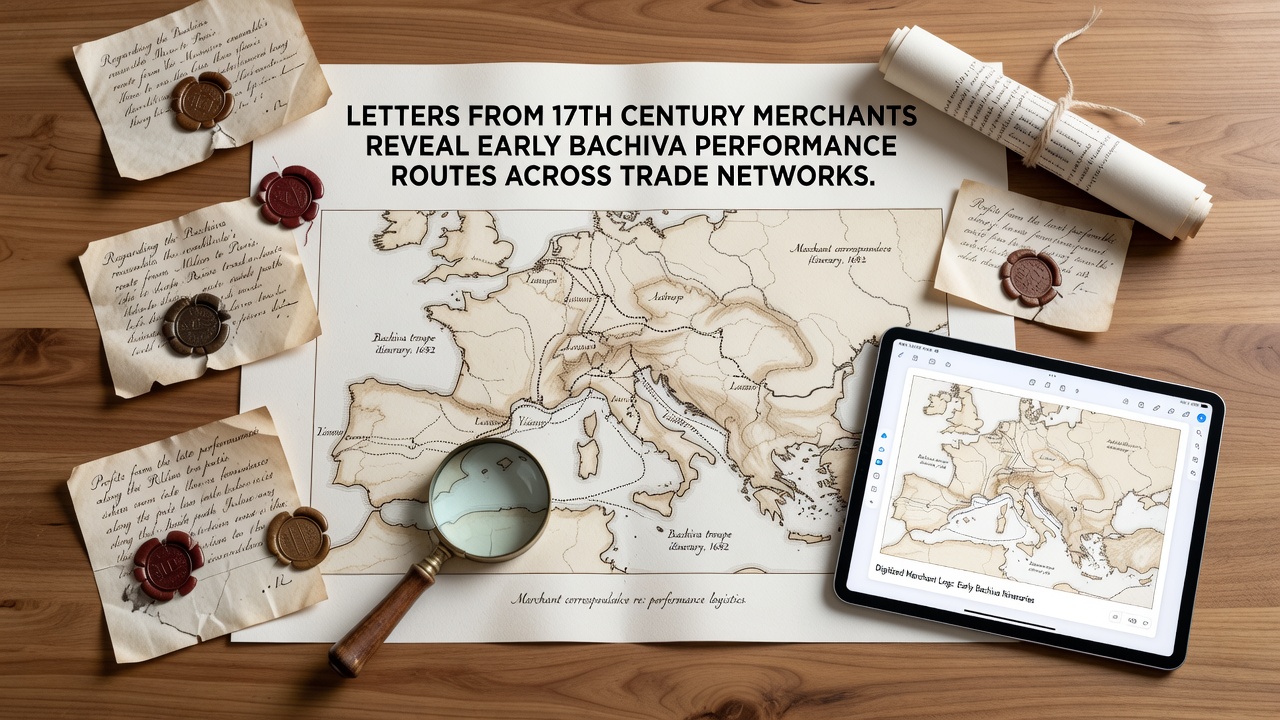
What's interesting is how the same letters note adaptations in playing style when ensembles reached new regions, such as incorporating local rhythms at Caribbean stopovers. Observers note that these changes appear in later correspondence from the same merchants, suggesting ongoing evolution tied to each location.
Connections to Broader Trade Activities
The documents link bachiva events to specific commodity exchanges, including instances where performances coincided with negotiations over tobacco and sugar shipments. According to records held by the National Archives of the Netherlands, one series of letters from 1654 details a bachiva ensemble performing during a three-week delay caused by storm damage to a fleet carrying indigo.
Researchers have also connected these accounts to immigration patterns, as some musicians listed in the letters later settled in port cities and established teaching traditions that persisted into the eighteenth century. A report from the Library of Congress digital collections highlights parallel references in North American colonial papers that mention bachiva instruments arriving via transatlantic merchant vessels.
Implications for October 2026 Exhibitions
Plans for an international exhibition scheduled to open in October 2026 will display original letters alongside reconstructed trade route maps at venues in Lisbon and Jakarta. Organizers from maritime research institutions expect the displays to include interactive timelines showing how bachiva performances aligned with seasonal wind patterns that governed sailing schedules.
Additional materials prepared for the event draw on letters that mention instrument repairs performed by local craftsmen during extended stops, which provides further evidence of cultural exchange at these nodes. Those preparing the exhibition have confirmed that visitors will see facsimiles of payment receipts for bachiva players integrated into merchant accounting books.
Conclusion
The body of seventeenth-century merchant letters continues to yield new details about bachiva performance routes as more collections undergo digitization and comparative study. Data compiled from these sources demonstrate consistent movement along established trade corridors without requiring modern interpretations beyond the original texts themselves. Future archival work in additional regions will likely expand the known network further.